


Ax, Gilbert and Philharmonic winningly introduce new Gruber concerto
BY DAVID WRIGHT
NEW YORK CLASSICAL REVIEW
JANUARY 6, 2017
HTTP://TINYURL.COM/H9R33BY
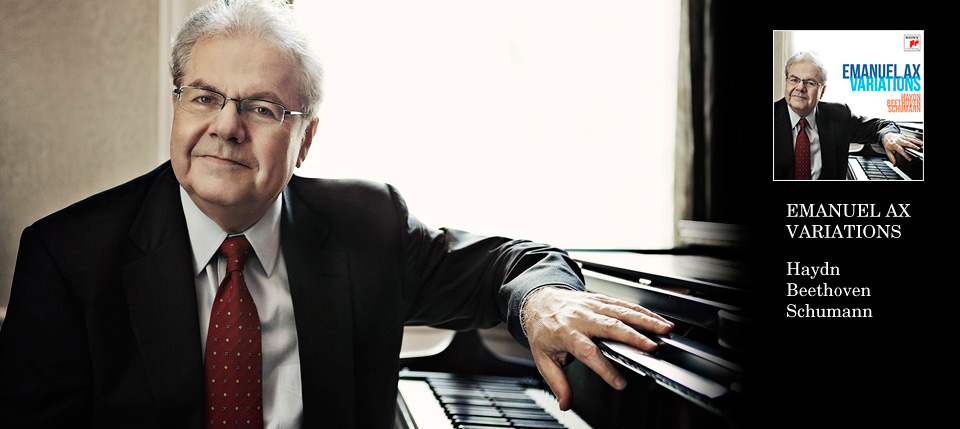
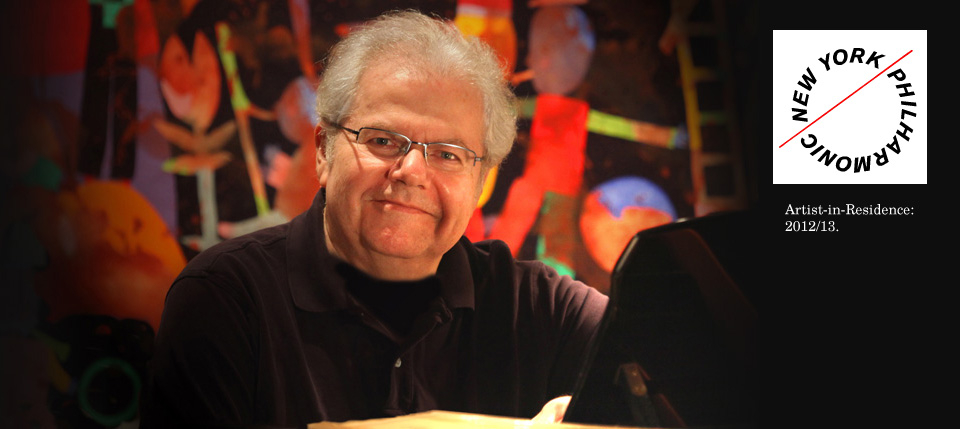
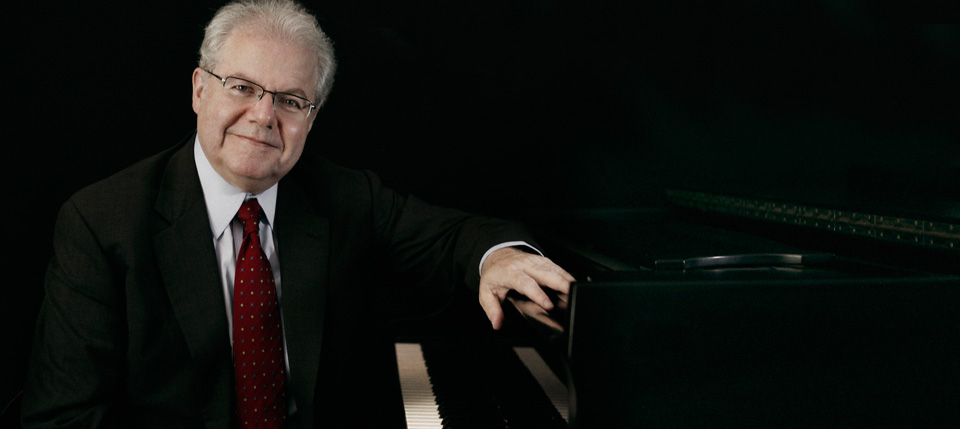
To hear Emanuel Ax’s performance of HK Gruber’s Piano Concerto Thursday night with the New York Philharmonic, one might imagine he’d been playing the piece his whole life, it sounded so seasoned and “lived in.”
It was enough to make one open the program again and stare in wonder at the words, “World Premiere.”
Although the pianist was playing with a score open on the piano, neither his performance, nor that of the orchestra under music director Alan Gilbert, ever suggested a rocky first reading. Instead, Gruber’s lively, attractive piece—an international co-commission by the Philharmonic and three other orchestras–spoke directly to the audience in accents jazzy one moment and Romantic the next. The concerto was welcomed into the world with a warm ovation at the end.
Now in his 70s, the Austrian composer first came on the scene as something of a bad boy of the age of serialism, introducing retro elements in his scores, especially the style of cabaret, long before it became fashionable. In addition to composing, he has made a career of vocal performance in the speech-singing style of a cabaret M.C.
James M. Keller’s Philharmonic program notes made much of all this, and to reinforce the point Gilbert prefaced the new 20-minute concerto with the snide yet silky sounds of Kurt Weill’s music for The Threepenny Opera, arranged for woodwinds by the composer.
At the concerto’s opening, a jaunty, sarcastic little tune for muted trumpet seemed to promise more of the same. But the concerto ethos quickly engulfed the cabaret one, and Weill receded, to be replaced by glittering, Gershwin-like piano syncopations and lush orchestral sonorities à la Rachmaninoff.
Gruber’s harmonic adventurousness may have been very contemporary, but it was wearing comfortable clothes from a century ago. As somebody wrote back then, “But now, God knows, anything goes,” and it went just fine for Ax, Gilbert and the Philharmonic on Thursday night.
The performers’ ability to inhabit and project every twist and turn of this one-movement, variations-style concerto was what really made the sale with the audience, whose response went far beyond the respectful applause usually accorded new pieces.
To lead off the concert, a woodwind ensemble with rhythm section (piano, timpani, and other percussion) evoked a whole era with the ineffably dark lyricism and dance rhythms of Weill’s Kleine Dreigroschenmusik (Little Threepenny Music).
At the outset, Gilbert and his players captured the alienated, world-weary character of the familiar tunes from the Brecht-Weill classic. Except for the thumping, pompous Overture, the conductor signaled for a light touch throughout, and sometimes got it. But for some reason the clear-eyed, rhythmically precise performance went a little mushy and pulled its punches in the last few numbers.
No such problem with the first movement of Schubert’s Symphony No. 2 in B-flat major, which, despite sharing the week’s bill with a challenging premiere, showed no signs of under-rehearsal. Perhaps the work’s comparative unfamiliarity—this was its first Philharmonic performance in 22 years—made it too a premiere of sorts, and put the musicians on their mettle. Whatever the reason, the 18-year-old composer’s mastery of, and impatience with, classical symphonic form came through in vivid, transparent colors.
Gilbert elected, however, to inflect the simple, Magic Flute-style tune of the Andante rather heavily, leaving himself little room to develop more expression in the ensuing variations. A touch of Haydn-like fastidiousness, at least at the outset, would have been more effective.
The brusque Menuetto—really a Beethovenian scherzo—managed to be emphatic without heaviness. The trio’s charming oboe solo was crowded by the horns, which, here as in the Andante, proved hard to restrain when their part wasn’t featured.
All was in balance, however, for the closing Presto vivace, a confection of skittering scales and Schubert’s favorite rat-a-tat rhythm. Gilbert and the orchestra didn’t miss a turn on their way to a fizzy finish for a program that may have looked a little arcane on paper, but proved full of delights in performance.
- By admin on January 9, 2017
- Category: News
- 0 Comments